
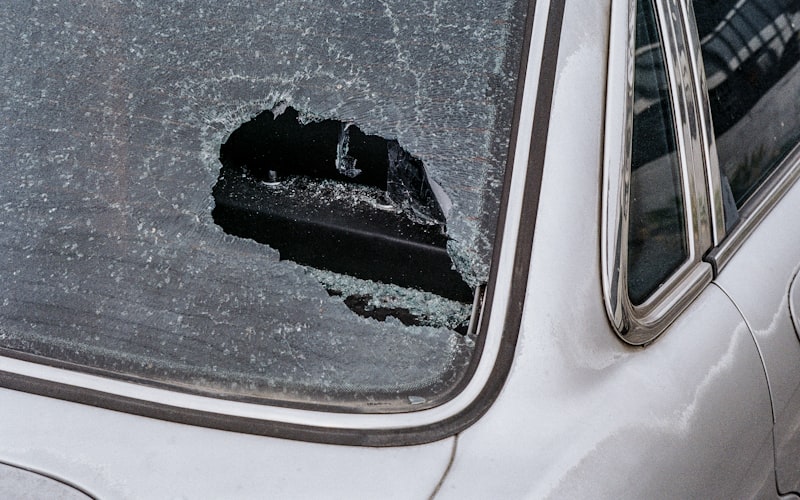
Colorado sits squarely in the center of the North American hail corridor, and roofing contractors in the Front Range know exactly what that means. Every spring and summer, severe thunderstorms roll off the eastern slope of the Rockies and dump hailstones ranging from dime-sized to softball-sized across the most densely populated parts of the state. For roofers, hail season is the most profitable and the most dangerous time of year, not just physically, but from an insurance perspective.
The insurance implications of hail work extend far beyond making sure you have a general liability policy in force. Completed operations claims, errors and omissions exposure, supplement disputes with adjusters, and the regulatory scrutiny that comes with storm chasing all create risks that can follow your business for years after the last shingle is nailed down.
Hail Corridor Risk Profile
The Colorado hail corridor runs from Colorado Springs through Denver and north to Fort Collins, with the most severe activity concentrated in the eastern suburbs of the metro area. Communities like Aurora, Thornton, Brighton, and Castle Rock regularly experience damaging hail events. In 2023 alone, Colorado recorded over $3 billion in insured hail losses, and 2024 was not far behind.
For Colorado roofing contractors, this concentration of hail activity means high demand and high risk simultaneously. During active storm seasons, residential reroofing volume can triple or quadruple within weeks. Contractors who are set up to handle this surge, with adequate insurance, trained crews, and proper documentation practices, can build their businesses significantly. Those who are not prepared can find themselves facing claims, complaints, and regulatory action.
Insurance carriers that write roofing contractors in Colorado price their policies with the hail corridor in mind. Your GL premium will reflect the geographic concentration of your work. If 80% of your revenue comes from hail damage repairs in the Front Range, expect your completed operations premium to be higher than a roofer doing the same volume of new construction work. Carriers know that hail repair work generates a higher frequency of callback claims and completed operations losses than standard reroofing.
The Colorado Division of Insurance has also increased scrutiny of roofing contractors operating during hail season, particularly regarding unfair trade practices, assignment of benefits issues, and contractor-assisted insurance claims. Regulatory complaints can trigger investigations that affect your ability to maintain insurance coverage, even if no formal action is taken.
Storm Chasing and Insurance Implications
Storm chasing, the practice of traveling to hail-damaged areas to solicit roofing work, is a legitimate business strategy when done properly. Colorado law requires roofing contractors to be registered with the state and to comply with solicitation rules, including the prohibition on offering to pay a homeowner deductible and restrictions on contracts that waive the homeowner right to cancel within the statutory period.
From an insurance standpoint, storm chasing creates several challenges. First, if you are traveling outside your normal operating territory to chase storms, your GL policy territory must cover those areas. A contractor based in Denver who chases a hail event to Pueblo or Grand Junction needs to verify that their policy does not restrict coverage to the Denver metro area. Territorial limitations in GL policies are real, and a claim outside your listed territory can be denied.
Second, storm chasing often involves rapid hiring of temporary crews or engaging subcontractors you have not worked with before. Every sub who does not carry their own insurance becomes your exposure at audit time. Their payroll gets added to your workers comp and GL calculations, and any claims they generate hit your loss history. Insist on certificates of insurance from every subcontractor, verify those certificates by calling the issuing agent, and keep copies organized by job.
Third, carriers view storm chasing as higher risk than steady-state operations. If your loss history shows a pattern of claims concentrated after hail events in multiple geographic areas, your carrier may add a storm chasing exclusion at renewal or decline to renew altogether. Some specialty programs exist specifically for storm chasers, but they come with higher premiums and more restrictive terms.
Workers compensation is another concern. If you are bringing crews from out of state to work in Colorado, your workers comp policy must include Colorado as a covered state. Colorado requires workers comp coverage for all employees, with very limited sole proprietor exemptions. If you are an out-of-state contractor bringing crews into Colorado for storm work, make sure your policy includes Colorado on the other states endorsement or obtain a separate Colorado workers comp policy.
Completed Operations Claims After Hail Repairs
Completed operations exposure is the long tail risk of hail repair work. When you replace a hail-damaged roof, your liability for that work extends for years. If the roof leaks six months later, if shingles blow off in a windstorm because of improper installation, or if the homeowner discovers interior damage that was allegedly caused by your work, those claims hit your completed operations coverage.
Hail repair work generates higher completed operations claims frequency for several reasons. The work is often done under time pressure, with multiple crews running simultaneously. Quality control can slip when you are trying to complete 15 reroofs in a two-week window. Temporary workers may not be trained to your standards. Material shortages during peak demand can lead to substitutions that affect performance. All of these factors increase the likelihood of a callback or a claim.
Your GL policy should provide completed operations coverage that extends at least two to three years beyond the work. Most standard GL policies cover completed operations for the duration of the policy period, but claims-made policies or policies with completed operations sunset clauses can leave gaps. Verify with your agent that your completed operations coverage does not expire or sublimit after a specific period.
Document every hail repair job thoroughly. Before photos of the existing damage, during photos of the installation process, and after photos of the completed roof should be standard practice. Keep copies of manufacturer installation instructions for the products you used, and document that your crews followed those instructions. This documentation is your best defense against a completed operations claim. If a homeowner alleges your installation was defective, your photos and records may be the difference between a denied claim and a six-figure settlement.
Supplement Disputes and Your E&O Exposure
The supplement process, where roofing contractors submit additional line items to the homeowner insurance carrier after the initial scope of work is found to be insufficient, is a routine part of hail damage repair in Colorado. Supplements are legitimate when they reflect actual additional work or damage discovered during the project. They become problematic when they are inflated, fabricated, or used as a negotiating tactic.
For roofing contractors, supplement disputes create an exposure that many do not consider: errors and omissions liability. If you are preparing the supplement documentation on behalf of the homeowner, you are performing a service that looks a lot like public adjusting. Colorado, like many states, regulates public adjusting activity separately from contractor work. If your supplement documentation crosses the line from describing additional work you performed to advocating for a higher insurance payout, you may be engaged in unauthorized public adjusting, which creates regulatory exposure and potential E&O liability.
Even without the regulatory angle, supplement disputes can generate claims. If a homeowner expects to pay nothing out of pocket based on your supplement, and the carrier denies the supplement, the homeowner may turn to you for the difference. If the supplement was based on your representation that the carrier would cover the additional cost, you may face a breach of contract or misrepresentation claim. Your general liability policy may not cover this because it is not a bodily injury or property damage claim. It is a professional services or business practices claim that requires E&O or professional liability coverage.
Some roofing-specific insurance programs now offer E&O endorsements or standalone policies that cover supplement-related disputes. If your business model depends on significant supplement volume, this coverage is worth the investment. A single supplement dispute that escalates to litigation can easily cost $50,000 to $100,000 in defense costs alone, regardless of the outcome.
Best practice is to keep your supplement documentation factual, tied to specific line items of additional work performed, and supported by photographs and manufacturer specifications. Do not promise homeowners that their insurance will cover specific amounts or that they will have no out-of-pocket costs. Those promises create the exposure that generates claims. Be a roofing contractor, not an unlicensed adjuster, and your insurance will work the way it is supposed to.
Hail season in Colorado is an opportunity, but only if your insurance program is built to handle the unique risks it creates. Connect with a specialist who understands the Colorado hail market and can structure coverage that protects your business through the storm and for years after.