
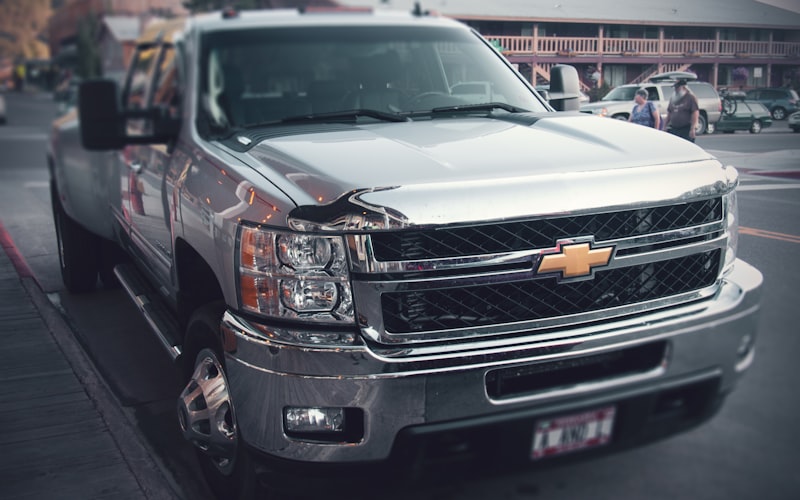
If you're a residential roofing contractor in Texas, Oklahoma, Colorado, or anywhere in the central hail corridor, your fleet of trucks and trailers is exposed to the same storms you're chasing for business. The irony isn't lost on anyone: the same hail event that generates six months of re-roofing revenue can also destroy $200,000 worth of vehicles parked at your yard. Here's what your commercial auto policy actually covers, where the gaps are, and how to structure your fleet insurance for hail season.
What Commercial Auto Covers for Hail Damage
Hail damage to vehicles is covered under the comprehensive (also called "other than collision") portion of your commercial auto policy. This is not automatic — you must specifically elect comprehensive coverage for each scheduled vehicle.
What comprehensive covers for hail:
- Dented body panels, hoods, roofs, and beds
- Broken or cracked windshields and glass
- Damaged mirrors and exterior trim
- Paint damage from hail impact
- Damage to attached equipment (ladder racks, toolboxes) if scheduled
What it does NOT cover:
- Mechanical breakdowns caused by water intrusion during the storm
- Materials or tools stored in truck beds (that's inland marine)
- Trailers not specifically listed on the policy
- Vehicles you don't own but are using (hired auto has separate coverage)
- Cosmetic damage below your deductible
Each vehicle has its own deductible, and this is where hail events become financially painful for fleet operators. If you have 15 trucks and a $1,000 comprehensive deductible per vehicle, a single hailstorm means $15,000 out of pocket before insurance pays anything — assuming every vehicle was damaged.
Fleet Size and Coverage Gaps
As your fleet grows, coverage complexities multiply:
Symbol coverage: Commercial auto policies use numbered symbols to define which vehicles are covered. The most common for fleet operators:
- Symbol 1 (Any Auto): Covers all vehicles you own, hire, or borrow. Most expensive but eliminates coverage gaps.
- Symbol 2 (Owned Autos Only): Only covers vehicles scheduled on the policy. Miss adding a new truck? No coverage.
- Symbol 7 (Specifically Described Autos): Only covers listed vehicles. Requires updating the policy every time you buy or sell a vehicle.
For fleets of 10+ vehicles, the risk of a coverage gap is real. If you purchased a new truck last month and haven't notified your agent, it may not be covered for comprehensive damage. Most policies provide a 30-day automatic coverage window for newly acquired vehicles, but this varies by carrier and policy form.
Stated amount vs. actual cash value: Most commercial auto policies pay on an actual cash value (ACV) basis. For newer trucks, this is usually adequate. For older vehicles, ACV may be significantly less than replacement cost — meaning after a total loss from hail, you receive a check for $12,000 on a truck that costs $35,000 to replace.
Trailer coverage: Dump trailers, equipment trailers, and material trailers are frequently uninsured or underinsured. They may need to be specifically scheduled, and some policies exclude them from comprehensive coverage unless separately endorsed.
Staging Vehicles During Storm Season
Residential roofers often stage crews and vehicles near storm-damaged areas, sometimes hours from their home base. This creates unique exposure:
Parked at hotels/staging lots: When your crews are staged for storm work, vehicles may be parked overnight in open lots with no covered parking. These vehicles are fully exposed to any storm that comes through — including the same hail events that generated the work opportunity.
Concentration risk: Having 10-20 vehicles parked in the same open lot means a single storm can damage your entire fleet simultaneously. This is the hail equivalent of putting all your eggs in one basket.
Hired and non-owned auto: During storm season, you may rent vehicles to supplement your fleet. Your policy's hired auto coverage extends comprehensive protection to rented vehicles, but check your policy — some carriers exclude comprehensive on hired autos, covering only liability.
Employee personal vehicles: If employees drive their personal vehicles to staging areas and park in your designated lot, their personal auto policies cover hail damage to their vehicles — not yours. However, if employees claim you directed them to park in an exposed area and their personal insurance doesn't cover the damage, you may face claims anyway.
The Deductible Problem During Catastrophic Hail Events
The economics of fleet hail damage are brutal when multiple vehicles are hit in the same event:
Per-vehicle deductibles: Standard commercial auto policies apply the deductible per vehicle, per occurrence. With a $1,000 deductible and 20 damaged vehicles, you're writing a $20,000 check before insurance starts paying. With a $2,500 deductible (common for contractors with prior hail claims), that's $50,000 out of pocket.
Total loss thresholds: Older vehicles with moderate hail damage are frequently totaled by the carrier because repair costs exceed the vehicle's ACV. A truck worth $15,000 with $10,000 in hail damage is likely repairable, but a truck worth $8,000 with the same damage is a total loss. You get a check for $8,000 minus your deductible — not enough to buy a replacement.
Diminished value: Even after repair, a vehicle with hail damage history has diminished resale value. Commercial auto policies generally do not cover diminished value — you bear this loss.
Rental/downtime costs: While your trucks are in the body shop (which can be weeks during catastrophic hail events when every shop is backed up), you may need rental vehicles to keep operating. Rental reimbursement coverage is available but must be specifically added to your policy and has daily/maximum limits that may be inadequate for extended repair timelines.
Managing Fleet Insurance Costs in Hail Corridors
If you operate in hail-prone territory, proactive management of your fleet program can save significant money:
Higher comprehensive deductibles with a reserve fund: Consider raising your comprehensive deductible to $2,500 or $5,000 per vehicle and banking the premium savings into a dedicated reserve fund for hail events. Over 3-5 years, the savings often exceed the deductible exposure — but you need the cash flow to absorb a multi-vehicle event.
Covered parking: Some carriers offer premium credits for fleets stored in covered or enclosed parking. If you can demonstrate that your vehicles are garaged overnight, you may see 10-15% reductions in comprehensive premiums. The cost of building or leasing covered parking often pays for itself in premium savings within 2-3 years.
Vehicle age management: Keep your fleet newer. Vehicles less than 5 years old are more likely to be repaired (rather than totaled) after hail damage, and you get more useful life from the repair investment. Older vehicles with prior hail damage should carry comprehensive only if the ACV justifies the premium.
GAP coverage: For financed vehicles, guaranteed asset protection (GAP) coverage pays the difference between your vehicle's ACV and the loan payoff amount if it's totaled. Without GAP, you can owe more on the loan than the insurance payout — writing a check to settle a loan on a vehicle you no longer have.
Inland marine for equipment: Ladder racks, specialty equipment, and tools stored in vehicles aren't covered by commercial auto comprehensive. An inland marine/tools and equipment policy covers this property regardless of where it's located when damaged.
Planning your fleet protection before storm season means reviewing your policy now — not after 3-inch hail destroys 15 trucks in your parking lot. Verify every vehicle is scheduled, confirm your comprehensive deductibles are appropriate for your cash reserves, and consider whether covered parking makes financial sense. The same storm that brings you six months of roofing revenue shouldn't cost you your fleet.