
Commercial Roofing Contractor Insurance
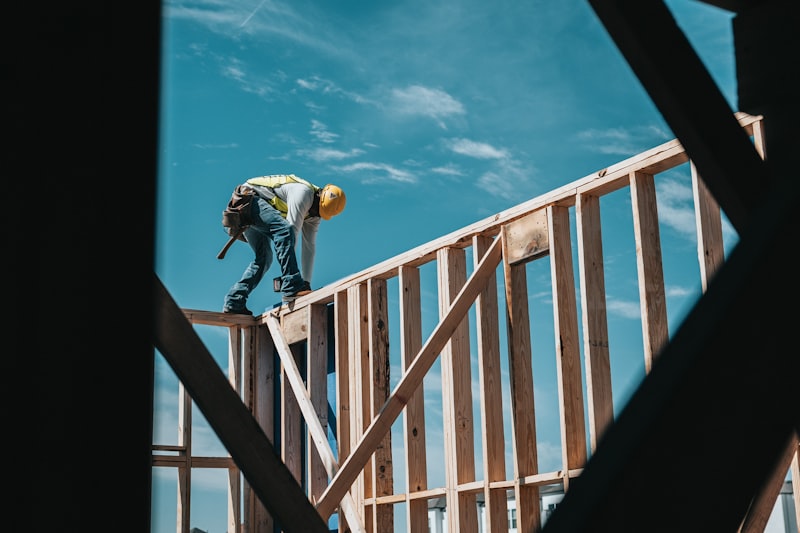
Commercial roofing contractors face a distinct insurance profile compared to residential roofers due to larger project values, multi-story height exposure, and contractual requirements from general contractors and property owners. Underwriters evaluate this class based on roof types installed, maximum working height, and annual payroll distribution across job duties.
Risks Specific to This Sub-Trade
The primary exposures include falls from elevation, property damage to occupied buildings during tear-off, and completed operations claims from leaks that develop months after project completion. Wind uplift failures on large flat roofs generate some of the costliest completed ops claims in the roofing sector. Third-party-over claims from injured workers of subcontractors or other trades on the same jobsite add significant liability exposure. Hot-applied materials, crane operations, and rooftop equipment handling further compound the risk.
Coverages This Sub-Trade Needs
Carriers That Write This Sub-Trade
Carriers with strong appetite for commercial roofing include Acuity, Employers Holdings, FCCI, and selective E&S markets like Kinsale and Nautilus. Standard market carriers typically want to see at least 3 years in business, a formal safety program, and an experience modification rate below 1.0. Accounts over $5M in revenue often require layered excess programs through surplus lines.
What Disqualifies an Account
Accounts with an EMR above 1.4, more than two open workers comp claims, or a history of completed operations losses in the past 3 years will face significant market restrictions. Use of uninsured subcontractors or 1099 labor without certificates of insurance is a hard no for most carriers. Lack of a written safety program or fall protection plan will move the account to surplus lines at best.
Talk to a roofing insurance expert.
Tell us about your operation. We will get back to you within one business day.